
Cranial Osteopathy in Ashburton
Sometimes the body doesn’t need more force, it needs space.
Cranial osteopathy is a very gentle, subtle form of treatment that works with the body’s natural rhythms to encourage deep relaxation and release.
Using light touch, it can help calm the nervous system, ease tension and support the body’s natural healing processes.
It’s often described as deeply soothing, both physically and mentally.
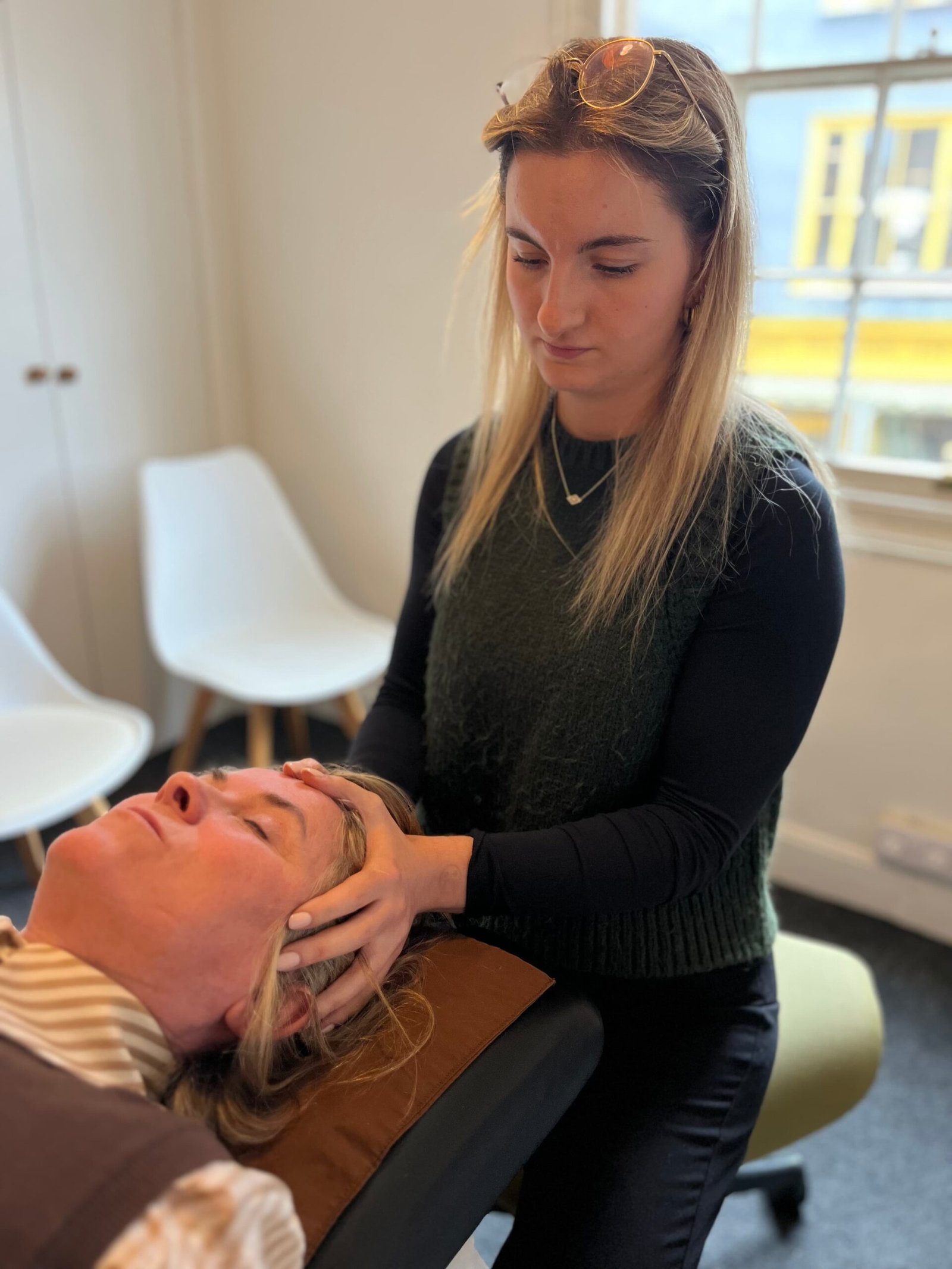
How Cranial Osteopathy Works
Cranial osteopathy focuses on the small, natural movements within the body, particularly around the head, spine and sacrum, and how these relate to overall health and nervous system function.
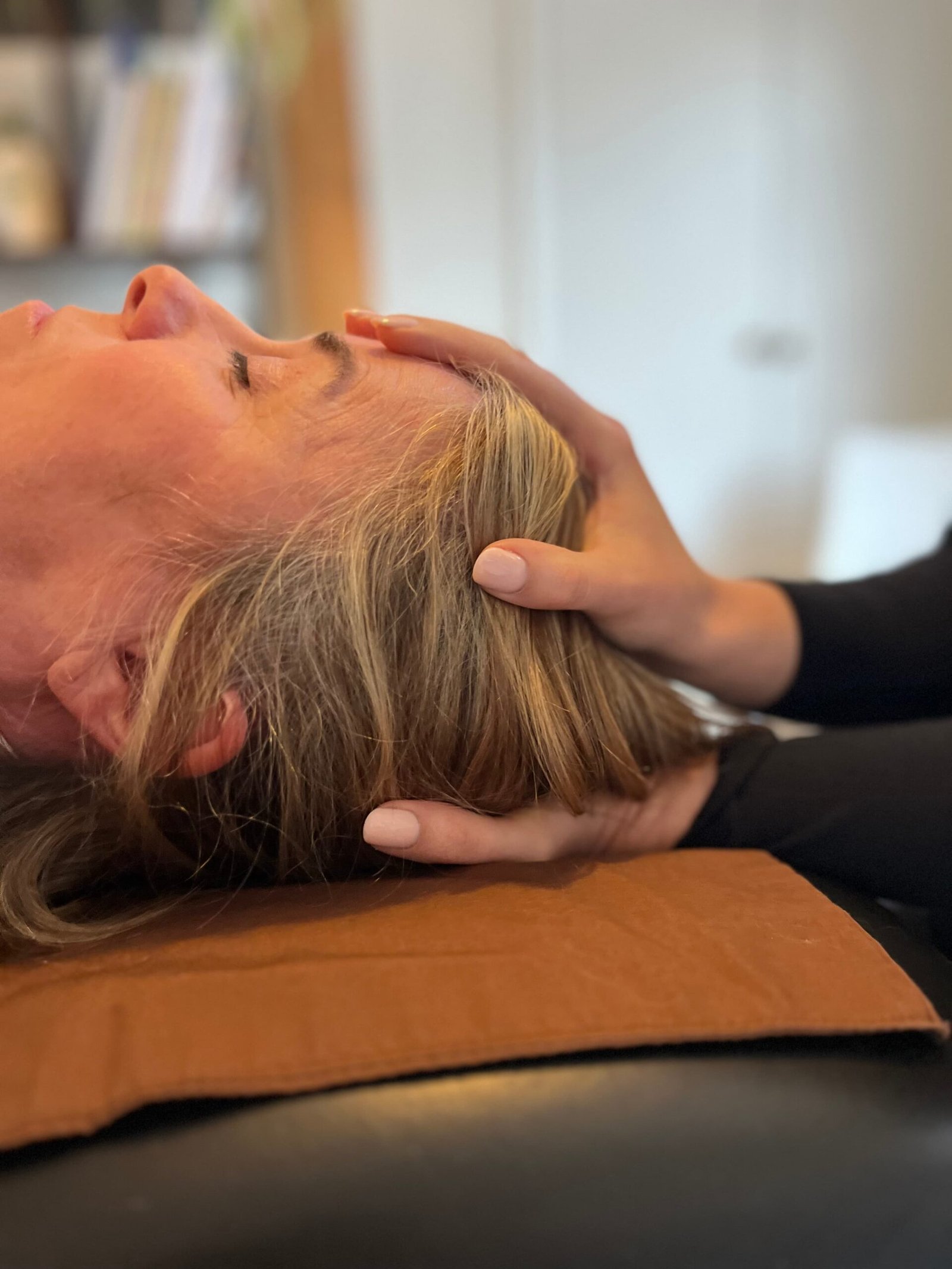
Through gentle contact, the practitioner listens to what the body is doing and supports areas that may be holding tension or restriction.
There is no force or manipulation, just quiet, precise work that allows the body to unwind in its own time.
The Treatment
Cranial osteopathy is a subtle treatment that looks for signs of tension, restriction and imbalance within the body.
Our practitioners may assess things such as breathing patterns, areas of tension, and how the body is holding itself overall, helping to guide treatment in a calm and individualised way.
This treatment can be particularly supportive for those looking for a gentler approach, including children aged 4+ with Holly.
Who It’s For
Cranial osteopathy is suitable for people of all ages and may be particularly helpful if you are feeling:
- Stressed, overwhelmed or “wired”
- Tense without knowing exactly why
- Sensitive to stronger treatments
- Recovering from injury or illness
- In need of a calmer, more restorative approach
It can also be a lovely option if you simply want to slow down and support your overall wellbeing.
What to Expect
Treatment is carried out fully clothed, usually while you lie comfortably on a treatment couch.
The touch is very gentle, often still, but the effects can be surprisingly powerful.
Many people feel deeply relaxed during treatment, and it is not uncommon to drift into a very restful state.
Afterwards, you may feel lighter, calmer and more at ease in your body.
Our Approach
At Wholesome Health, cranial osteopathy is one of the ways we support the nervous system and the body’s natural ability to restore balance.
For some, it is the perfect starting point. For others, it works beautifully alongside chiropractic or osteopathy.
We will always guide you towards the treatment approach that feels most appropriate for your body and your needs.
Ready to Slow Things Down?
If your body is asking for something gentler, cranial osteopathy offers a calm and supportive way forward.
If you’re looking for cranial osteopathy in Ashburton or the surrounding South Devon area, we’d be happy to help.
Cranial Osteopathy FAQs
Here are some answer to common question we get asked…
How is cranial osteopathy different from massage or other hands-on therapies?
Cranial osteopathy is much lighter in approach. Rather than working directly into muscles like massage, it focuses on subtle movements within the body and nervous system, helping release tension in a quieter, more restorative way.
Can cranial osteopathy help with anxiety or feeling overwhelmed?
Many people seek cranial osteopathy when they’re feeling stressed, anxious, or unable to switch off. By calming the nervous system, it can help the body move out of a “fight or flight” state and into a more relaxed, balanced state.
What does cranial osteopathy feel like during treatment?
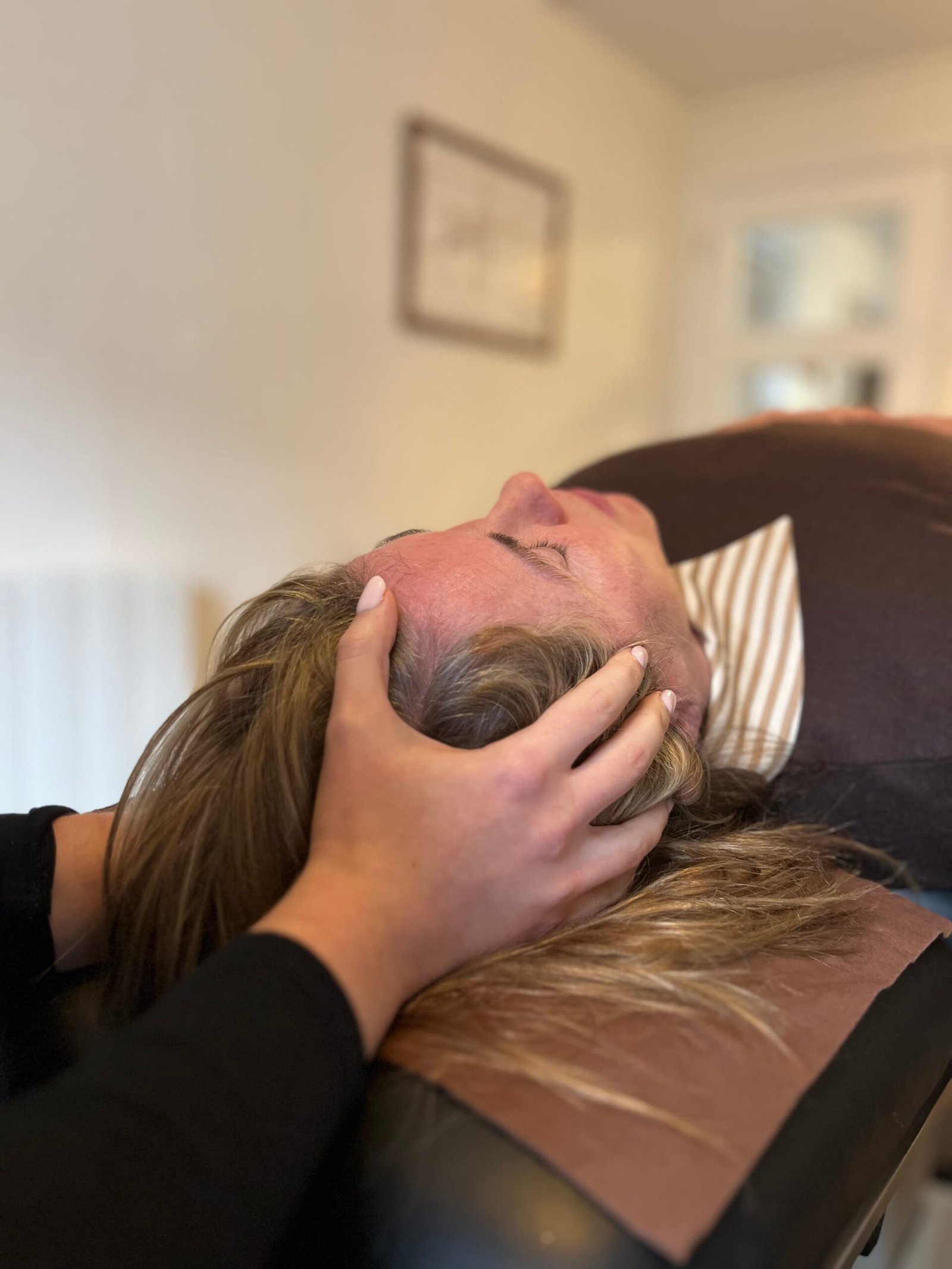
Most people feel a sense of deep relaxation. You may notice warmth, gentle pulsing, or a feeling of unwinding through the body. Some people don’t feel much during the session but notice the effects afterwards.
Is it normal to fall asleep during cranial osteopathy?
Yes – it’s very common. Your body often uses this time to fully relax and reset, which is part of the benefit of the treatment.
How will I feel after a cranial osteopathy session?
People often feel calmer, lighter, and more settled. Occasionally, you may feel slightly tired or notice subtle shifts over the following days as your body continues to process the treatment.
How many cranial osteopathy sessions will I need?
This depends on what you’re coming in for. Some people benefit from a small number of sessions, while others choose ongoing care for support with stress and wellbeing.
Can cranial osteopathy be combined with other treatments?
Yes – it works very well alongside chiropractic, osteopathy, and massage therapy. We may recommend a combination approach depending on your needs.
Is cranial osteopathy evidence-based?
Cranial osteopathy is based on established osteopathic principles and clinical experience. While research is ongoing, many patients report significant improvements in relaxation, tension, and overall wellbeing.
Do I need to do anything after treatment?
We usually recommend taking things gently afterwards – staying hydrated, allowing time to rest, and noticing how your body responds.
Who might prefer cranial osteopathy over other treatments?
It’s often a good choice if you prefer a gentler approach, feel sensitive to stronger techniques, or are looking for support with stress, fatigue, or nervous system regulation.
Can cranial osteopathy help with headaches or jaw tension?
Yes – it can be particularly helpful for tension-related headaches and jaw discomfort by easing underlying patterns of tension.